


A healthy diet protects us from many chronic diseases, such as cardiovascular disease, diabetes, and cancer, and the fact that we eat a variety of foods, that we have low consumption of salt, sugar, and saturated fats, are just some of the essential rules for a healthy diet.
It is already known that fruits and vegetables are at the heart of the healthy food pyramid, while at the top of the pyramid are red meat, butter, white rice, white bread, white flour pasta, potatoes, carbonated drinks, and sweets – all of which are recommended it is consumed rarely or almost not at all.
Naturally colored fruits and vegetables in yellow, red, and green are full of nutrients important especially for brain health.
Therefore, foods that provide the main nutritional principles necessary for the optimal functioning of the brain can be seen as stimulators of IQ.

Healthy food for a healthy body
A healthy diet does not have to involve strict rules, which require you not to eat certain types of food. But a healthy diet means to feel good in your own skin, to have more energy and to improve your general health, and at the same time to have a better mood.

1. Eat as many vegetables as possible
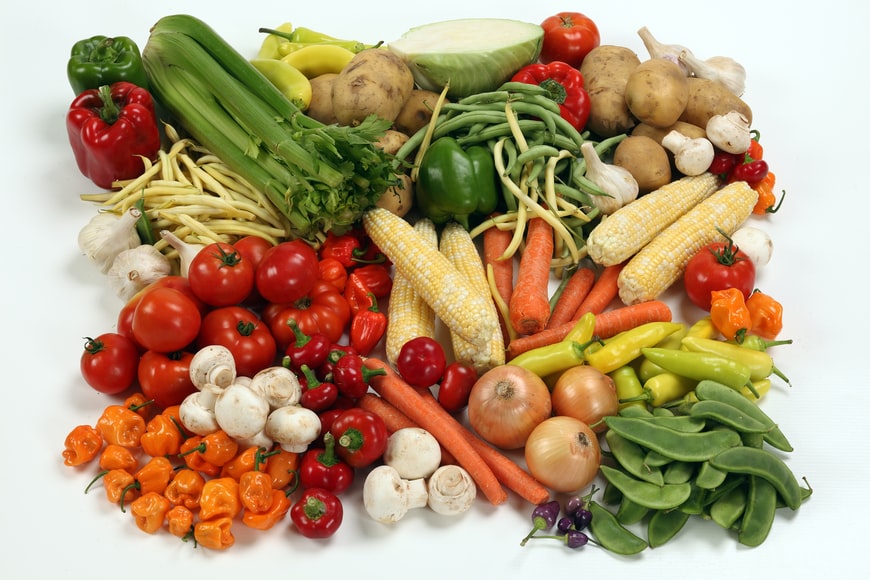
Nutritionists recommend that we eat vegetables as often as possible. The simplest measure for a healthy diet is to put half of your vegetable plate on your plate – and that’s not where french fries come in.
Choose healthy vegetables such as:
Red or green peppers – are rich in antioxidants with a protective role, having a large amount of beta-carotene.
Onion – stimulates the immune system and protects vulnerable cells in the brain and nervous system from free radical damage.
Broccoli – in addition to providing a rich supply of flavonoids, is also an important source of iron, calcium, potassium, and vitamin C.
Beets are rich in minerals important for good mental health. It is an important source of iron that helps the blood carry oxygen to the brain.
Beans are an important source of protein, while also providing synergistic minerals such as Magnesium, Phosphorus, Iron, Zinc. It also means the high carbohydrate content in beans provides the brain with the energy needed for the entire nervous system to function.
Tomatoes contain lycopene, a powerful antioxidant that protects the brain and nervous system very well. They also contain a wide variety of minerals as well as vitamin B, which helps provide energy and produce neurotransmitters.
2. Eat less meat
But meat should be eaten as rarely as possible. Even if it is a source of protein, you can replace it with legumes (beans, soybeans, lentils, etc.), because they are also rich in protein. This is a good strategy to reduce the intake of bad fats in meat.
Meat fat has no contribution to the health of the human brain and body, all the proteins being found in lean muscle. Therefore, if you really need to eat meat, then choose lean meat, such as skinless chicken breast.
Beef also contains fat, even more than chicken breast. So try to choose the weakest beef with as few traces of fat as possible.

3. Choose good fats
The main allies that are part of a healthy diet are whole grains, nuts, and seeds, starchy vegetables, and fruits.
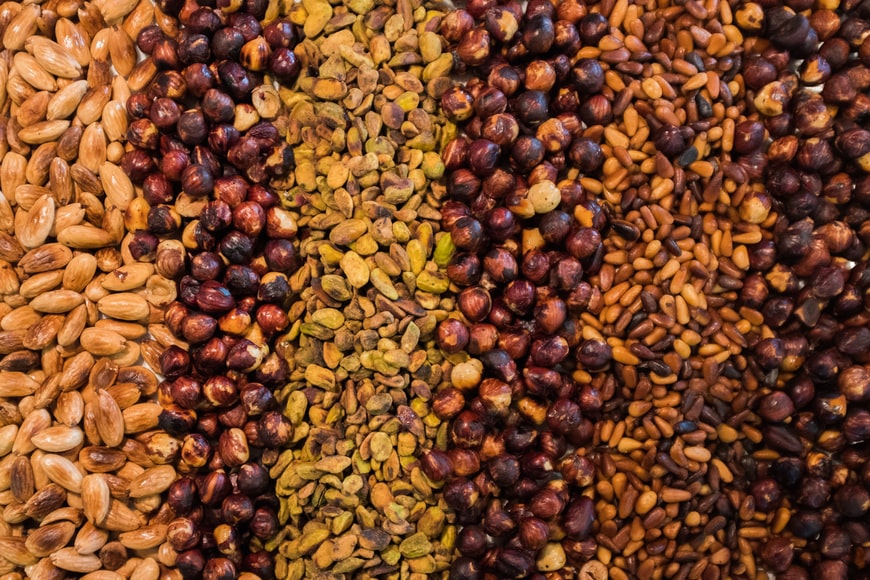
Walnuts and seeds are full of intelligent nutrients, they are good sources of protein but also of omega 6 fatty acids, one of the groups of essential fatty acids used by the brain for the synthesis of neurotransmitters. Almonds are the best choice because they contain few saturated fats, are rich in omega-6 oils, protein, vitamin E, and calcium.
Be careful, however, most nuts and seeds are also rich in undesirable saturated fats, but by consuming a handful of them daily, you can ensure important nutrients without too much fat.
4. Simple carbohydrates have nothing to look for in a healthy diet
You recognize them very simply: they are white or simple carbohydrates: those that our body digests very quickly: white bread, fish, potatoes, white rice, cakes, or pastries. It is good to know that white flour is usually sold as “improved”, which means that vitamins and minerals were added to it again after it was ground. Compared to improved white flour, wholemeal flour has six times more zinc, 12 times more selenium, four times more vitamin E, and 50% more vitamin B.
So it is better to use wholemeal products and you could also include in your diet foods such as millet or quinoa.

5. Drink enough water
The human body is made up of about 70% water so its importance should never be questioned. Water plays an important role in almost any process of the body, including absorption, digestion, circulation, etc.
The amount of water you need to drink daily depends on several factors, including the climate and the activities you are involved in. Warm weather and exercise increase the body’s need for water. In general, most people should consume 2 liters of water a day. And this does not include tea, coffee, alcohol, or other liquids that tend to dehydrate you.

6. Be more active
Healthy eating and exercise are allies that help you stay fit. Studies have shown that exercise improves mood, reduces depression, anxiety and stress. Let’s not forget that these are exactly the states that have a high risk of contributing to compulsive eating and emotional eating.
Physical activity has other benefits: it strengthens your muscles, helps you lose weight, gives you more energy, reduces your risk of chronic diseases, and improves the quality of sleep.

7. Eat lots of fruit
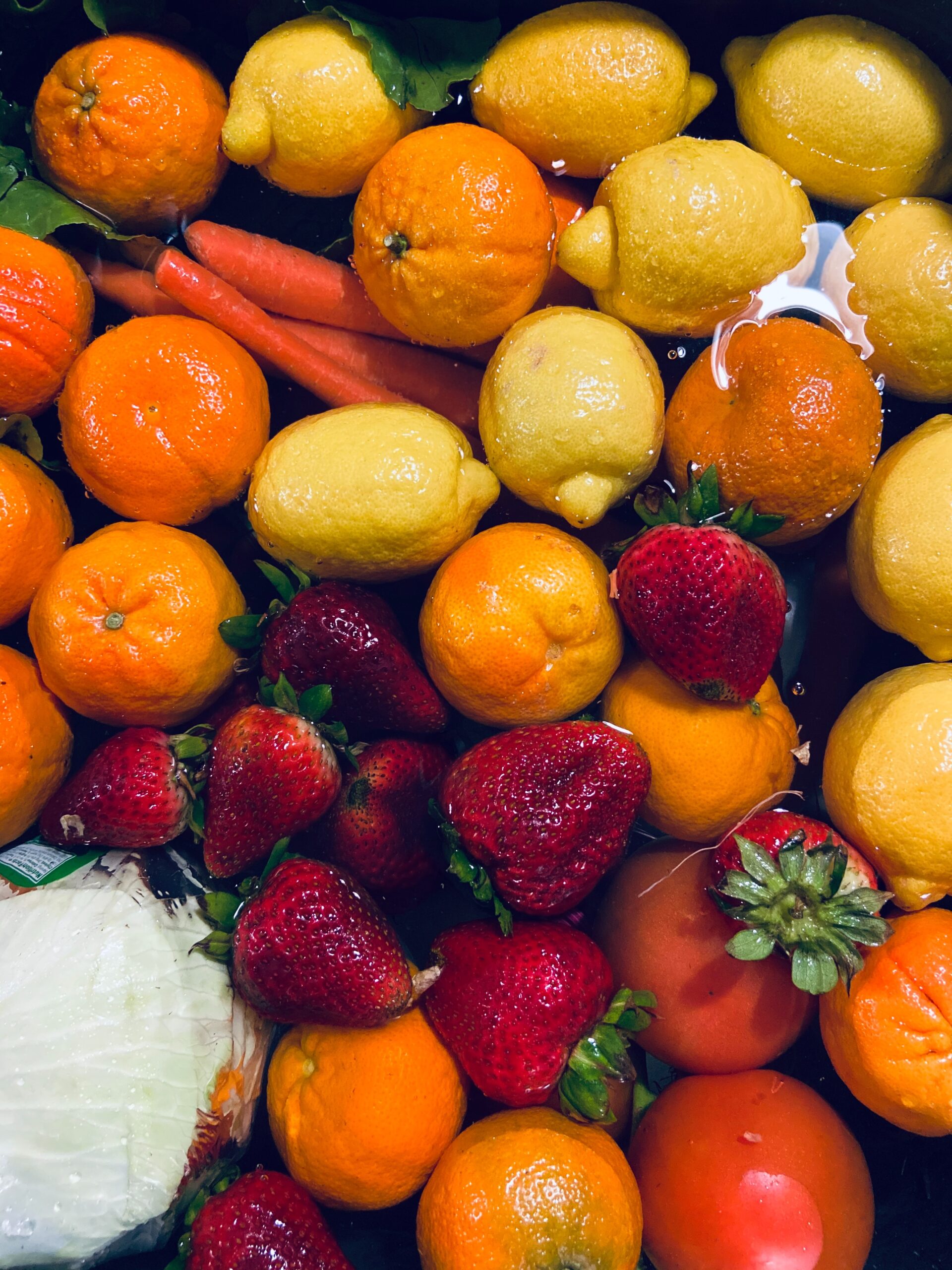
Fruits are important sources of vitamins, minerals, dietary fiber, protein, and antioxidants. In addition, OMS experts say that people with a diet rich in fruits and vegetables have a significantly lower risk of obesity, cardiovascular disease, stroke, diabetes, and some cancers.
8. Reduce sugar intake
Regular consumption of foods and beverages high in sugar increases the risk of obesity and caries. Check the label or packaging of the food before you buy it to see how much added sugar they contain. If a portion of 100 grams of that food says on the label that over 22.5 grams are the total sugars, it means that that food contains too much sugar, and you better avoid it.
The nutritional principles in the foods we eat are necessary to keep the brain in optimal working order because it is the main control system of the body that controls absolutely all body functions.

So it is important to have a correct and healthy diet, which is accompanied by a regular sports program, to keep your body in optimal physical shape and to maintain your weight.

