


Research shows that stress is strongly linked to overall health and well-being.
Prolonged stress over time causes anxiety, depression, panic attacks, heart disease, and high blood pressure. We are often unconscious in a continuous state of tension, and consequently, our body and mind will always be in a state of “fight or flight”.
The level of stress is increasing and more common in a world dominated by increasingly material culture and leads to muscle tension, shoulder pain, back pain, and frequent headaches.
Stress results in the release of the hormones cortisol and adrenaline, which increase energy consumption and blood pressure. While in the short term, this is a normal healthy response, in the long term it increases the risk of health problems, including heart disease.
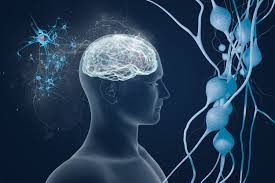
Reducing stress leads to lower cortisol. This results in an improved immune system because the body no longer directs important nutrients away from the immune system. When the body is under a state of stress, cortisol regulates the immune system. In fact, the nervous system tells the immune system to reduce its activity level so that energy and nutritional resources are directed to more important bodily functions.
Unfortunately, modern stressors tend to persist and keep cortisol levels for months, years, or even until the end of life. As a result, the immune system becomes weak and inefficient.

Therefore, regular meditation has the potential to reduce stress by inducing a relaxing response. This in turn helps control cortisol in the body and thus the immune system’s response is improved.
Meditation also helps to increase the flow of oxygen in the blood vessels.
Research has shown that the risks of heart attacks increase significantly through emotional shocks, such as the death of a loved one, job loss, etc.
Also, a study by Dr. Dean Ornish shows that meditation accompanied by a healthy diet, exercise, and stress management help to live a long and healthy life.

Less organized lifestyles such as smoking, unhealthy eating habits, and high-stress levels increase the risk of heart attack, but meditation is able to return the body to its basic natural biorhythms.
Balanced natural biorhythms, for example, mean not overeating or smoking due to perceived stress levels. Cardiac stress and recovery are influenced by neurotransmitters and hormones. Regular meditation is known to release beneficial neurotransmitters such as oxytocin and dopamine, which restore responses to stressful situations.
The autonomic nervous system, which controls involuntary actions, consists of the sympathetic and parasympathetic systems. It is essential that these systems are in perfect balance for optimal mental and physical health, but usually, the sympathetic system is the one that dominates them.
When you meditate and relax, you increase the activity of the parasympathetic system, which restores the right balance and induces feelings of calm and relaxation. Thus the heart rate slows down, the blood pressure decreases, the blood vessels dilate and the breathing slows down.

Studies in the past have found that cognitive therapy based on mindfulness has helped prevent the recurrence of depression as effectively as antidepressants.
Therefore, regular meditation improves heart health and restores general well-being.

