
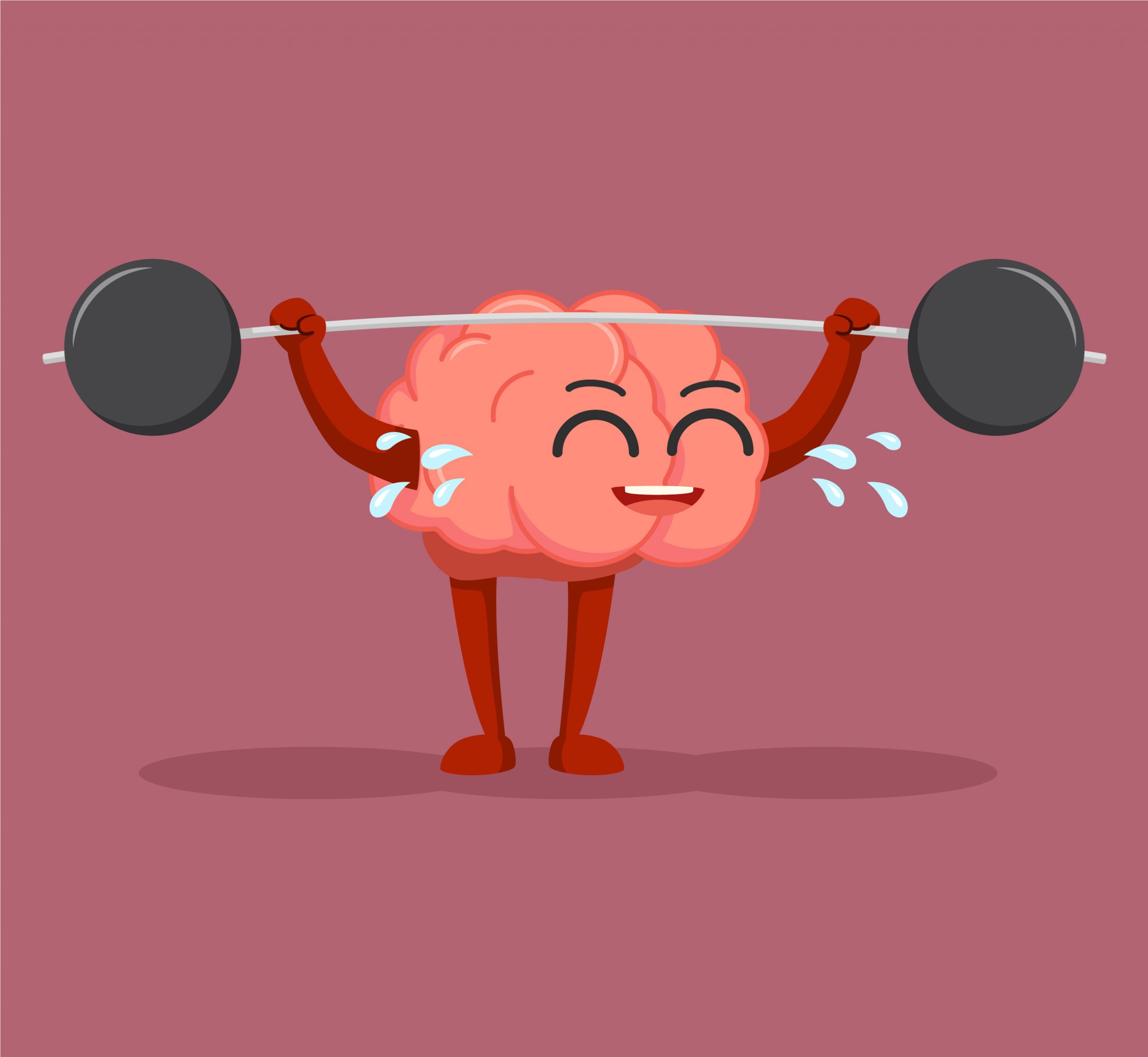
Have you ever wonder how physical activity affects the brain? An active lifestyle affects the performance of memory and the brain. People who have an active lifestyle have a higher intellectual development.
According to neuroscience research shows that physical activity not only enhances mental health and wellness today but protects the brain from aging and cognitive decline in the future. It is also a tool to measure the effects of your workout on your brain. This tool’s called BrainBody and is like an AI-based platform that quantifies exercise-enhanced brain functions.
Exercises will help you maximize your health, performance, and well-being of the brain and protect your brain from aging but also from future neurodegenerative diseases.
We will list just a few of the benefits of a lifestyle as active as possible and what is the connection between sports and brain activity:
- Stimulates nerve cells in the brain and also contributes to the faster development of neural processes.
- Regular physical activity prolongs age and contributes to the synthesis of new stem cells in the body
- With age, blood vessels lose their elasticity. Sports activities support the health and elasticity of blood vessels, which helps maintain a healthy brain for many years.
- Physical exertion also activates the growth and development of new neurons in the hippocampus improving memory. Therefore, it is easier for people who have an active lifestyle to learn and retain new information. After all, during exercise, the heart rate increases, respectively, more blood enters the brain. The minimum amount of training required to improve brain function is 30 minutes three times a week.
- Exercise is associated with the production of serotonin and dopamine during exercise in the body and thus helps to overcome depression.
- Studies by the Colorado Institute of Health have shown that people who lead an active lifestyle are more resistant to stress and less agitated.
- It is scientifically proven that physically active people offer more creatives ideas at work or school than those who lead a sedentary lifestyle by producing serotonin, called the “happiness hormone”.
- Physical activity also affects mood. People who play sports feel happier, more emotionally stable. This is because, in addition to serotonin, physical activity contributes to more active production of dopamine – a substance that supports brain and heart functions, controls weight, increases efficiency, and improves mood.
What physical activity best affects the brain?
Any kind of sport (yoga, pilates, dancing, cycling, swimming) is very useful. It is important to develop a habit and the sport to always be present in your life. To develop a habit, you need to try different sports and choose the one that brings you the most pleasure. Any minimal physical activity affects your brain in a positive way and improves your body health. Nervous system cells in our body die in large numbers every day. To replace them, the body must produce new ones. But the older the person, the slower their repayment. And only by starting to practice sports, you can save the neurons, you can have more confidence in yourself, but also inner and outer well-being.