


CONȚINUT:
The difference between Yoga and Pilates
In recent years, we hear more and more often around us, about the term Pilates and Yoga. More and more celebrities or ordinary people brag on TV, on Facebook, or Instagram about how they keep fit with either Yoga or Pilates and how much they love these practices.
But how do we know which one suits us, those who want a body as toned as possible, a better general condition, a posture as graceful as possible, but we did not try so far yoga or pilate?

About Pilates?
The method known as its creator Joseph Pilates was called “Contrology”. The philosophy of Pilates can be summed up in this phrase: “develop the body in a balanced way, correct the wrong postures, invigorate the body and mind, and lift the spirit.” This can still be a valid definition of a large part of the holistic disciplines or Body Mind today.
This method of gymnastics was created, modified, and finally codified over the last century.
For Pilates exercises to be performed correctly, they must always follow the 6 traditional principles of the Pilates Method:
Breathing – is essential for Pilates. Breath control helps to ease or increase the difficulty of the exercise. The main muscle used during expiration is the transverse abdomen, this way the abdominal muscles work all the time regardless of the exercise performed. In pilates for breathing, inhale through your nose and exhale through your mouth.
Concentration – is the process of understanding movement. Focusing on body alignment will automatically act on the necessary muscles and thus avoid generating unnecessary tension on the body. The Pilates exercises are performed with maximum attention and concentration in the execution.
Control – refers to the ability to control the body and move it stably both during classes and in everyday life.
Centering – All Pilates exercises start from the center of the body, which J.H. He called Pilates, the “Powerhouse,” or Core Zone, in which all the muscles and joints in the Sacro-pelvic-lumbar area are involved.
Accuracy – the more aware you are of your body, the more you will be able to achieve the full integration of each muscle or muscle group. Even the slightest adjustment given to an exercise can completely change the feeling you have and the execution of the exercise.
Fluidity – is not easy to achieve, but it is easier to give fluidity to a slow movement than a fast one. Over time, however, accuracy is integrated into the movement pattern and the exercises thus become more fluid and harmonious.
Isolation – is obtained through constant exercise and is the ability to work the muscles needed to perform the movement. This involves activating the muscles and not maximum contraction. Specifically, when we move our arms, we should move to start from the shoulder blades; Or when we move our knees/legs up and down to start from the deep muscles – the gluteal muscles.
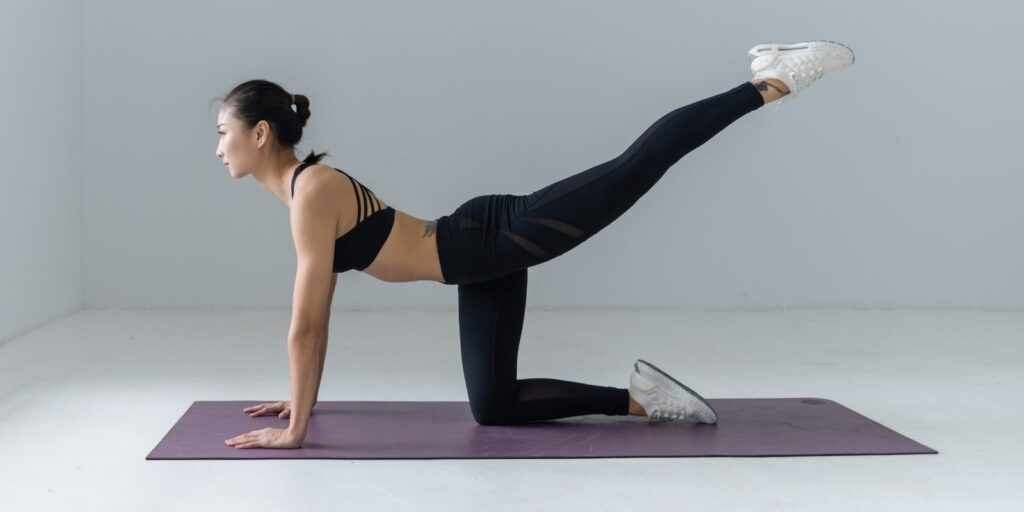
All of these principles applied correctly will help you achieve your goals as long as you do a Pilates routine. And if your goal is to lose weight then you will burn enough calories with Pilates, which requires a lot of your body, as long as you work properly and respect all the principles.
As one of the fundamental methods of the Pilates method is primarily to establish a good body posture, this practice is recommended for anyone, whether beginner or advanced and even the elderly or pregnant women.
Good posture prevents all types of muscle strains, back pain, headaches, and even injuries. It will immediately improve the way you look. Always make sure your body posture is good, not just when you practice Pilates – every move you make is a way to strengthen your body.
Pilates exercises have various variations so that they can be performed by all those who practice the Pilates method. Among the most well-known and used position exercises, in a Pilates class are the following exercises:
- Chest Lift with rotation: it is a pelvic position and involves the ability to stabilize the pelvis in a neutral position but also the mobilization of the rib cage in rotation and flexion
- C Curves: teaches you how to maintain and control the position of sitting on the hamstring bones. It involves a lot of abdominal muscles and control of breathing through the rib cage.
- Roll Down from sitting or standing: it is a very good exercise for the mobility of the spine, which involves rolling the standing or sitting spine, by activating the transverse abdominal muscle and the pelvic floor.
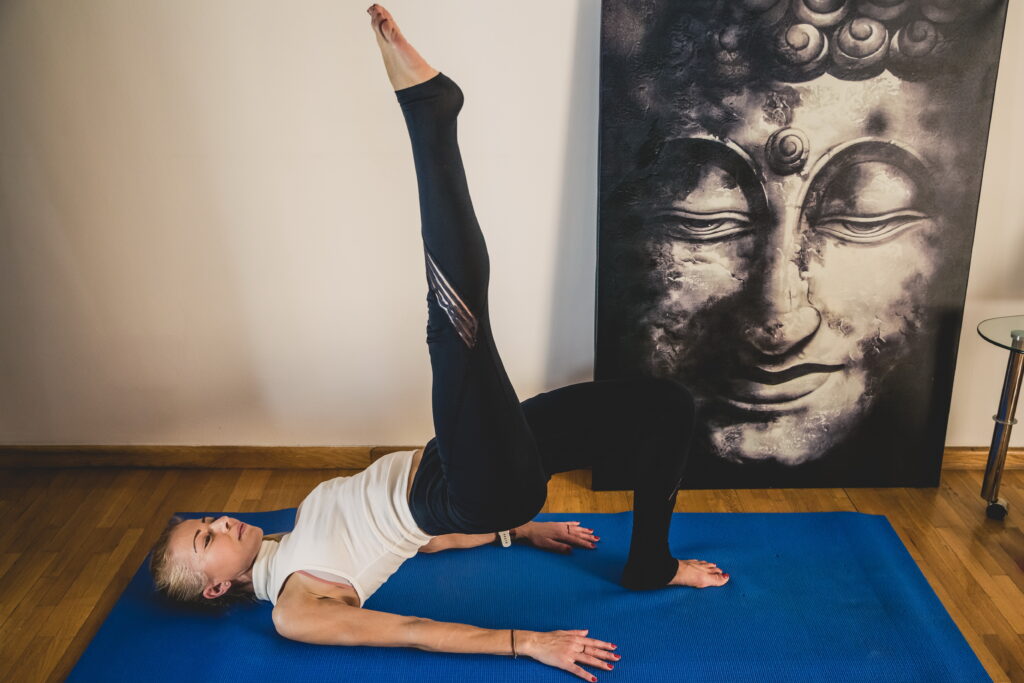
- Baby / Shoulder Bridge: This is a position that involves mobilizing the hip joint but also the lumbar part of the spine. It is a very good exercise for the articulation of the spine.
- Swimming: involves stabilizing the trunk in extension (especially the pelvis) while moving the arms and/or legs. It is a very good exercise for the back muscles.
Pilates Benefits:
Maintaining a good posture brings many benefits, and Pilates exercises bring a great plus on the body:
– Relaxes the muscles
– Improves blood supply to all organs and tissues
– Reduces tension on muscles, joints, and ligaments
– Improves the functioning of the autonomic nervous system, which in turn improves the function of the reproductive organs
In the end, Pilates largely avoids high impact, high power output, and heavy muscular and skeletal loading. Pilates largely avoids high impact, high power output, and heavy muscular and skeletal loading. Pilates largely avoids high impact, high power output, and heavy muscular and skeletal loading.
About Yoga
Yoga is a practical, traditional philosophy in India that involves harmonizing the physical and spiritual planes to achieve well-being. The term Yoga comes from the Sanskrit language, from the word “Yug”, which means to associate, to unite, join.
While the Pilates Method is just a training technique, in yoga, the body is linked to movement, body, and breathing, to create that feeling of relaxation, balance, and harmony. Meditation is an important part of Yoga that will help you find inner balance in daily life, calming the mind and increasing the ability to concentrate.
The most popular techniques in Yoga
A Sanskrit proverb says, “Breath is life, so if you breathe better, you will live longer.”
Breathing in Yoga is a different element from Breathing in Pilates because for breathing in Yoga, inhale through your nose and exhale through your nose. Thus the breathing slows down, the heartbeat calms down, the blood pressure decreases, the stress is reduced and you will be more and more relaxed. Conscious breathing is recommended for anyone, regardless of age.
The best-known breathing technique in Yoga is Pranayama – it helps a lot to improve the ability to concentrate and calm the mind.
There are several types of yoga, the most popular of which are: Ashtanga Yoga, Bikram Yoga, Hatha Yoga, Iyengar Yoga, Kundalini Yoga, Vinyasa Yoga, and Power Yoga. Yoga postures are called Asanas, and practicing them helps you strengthen your muscles by maintaining the same position for as long as possible during meditations or exercises.
If you want to tone your body, become more flexible, and have general well-being then yoga is the right choice.
That in any situation, to have an advanced practice, requires patience and exercise, and you must understand that a beginner cannot practice the positions without a good physical condition.
Meditation – regardless of the type of meditation or its duration, it is proven that meditation enhances immunity, concentration, and creativity, reduces anxiety, stress, and pain. The benefits of meditation are powerful, long-lasting, and easy for anyone to take a break to observe without judging, at least a few minutes a day. The secret is to be patient with yourself, with your mind, to let the thoughts come and go, without focusing too much on them.
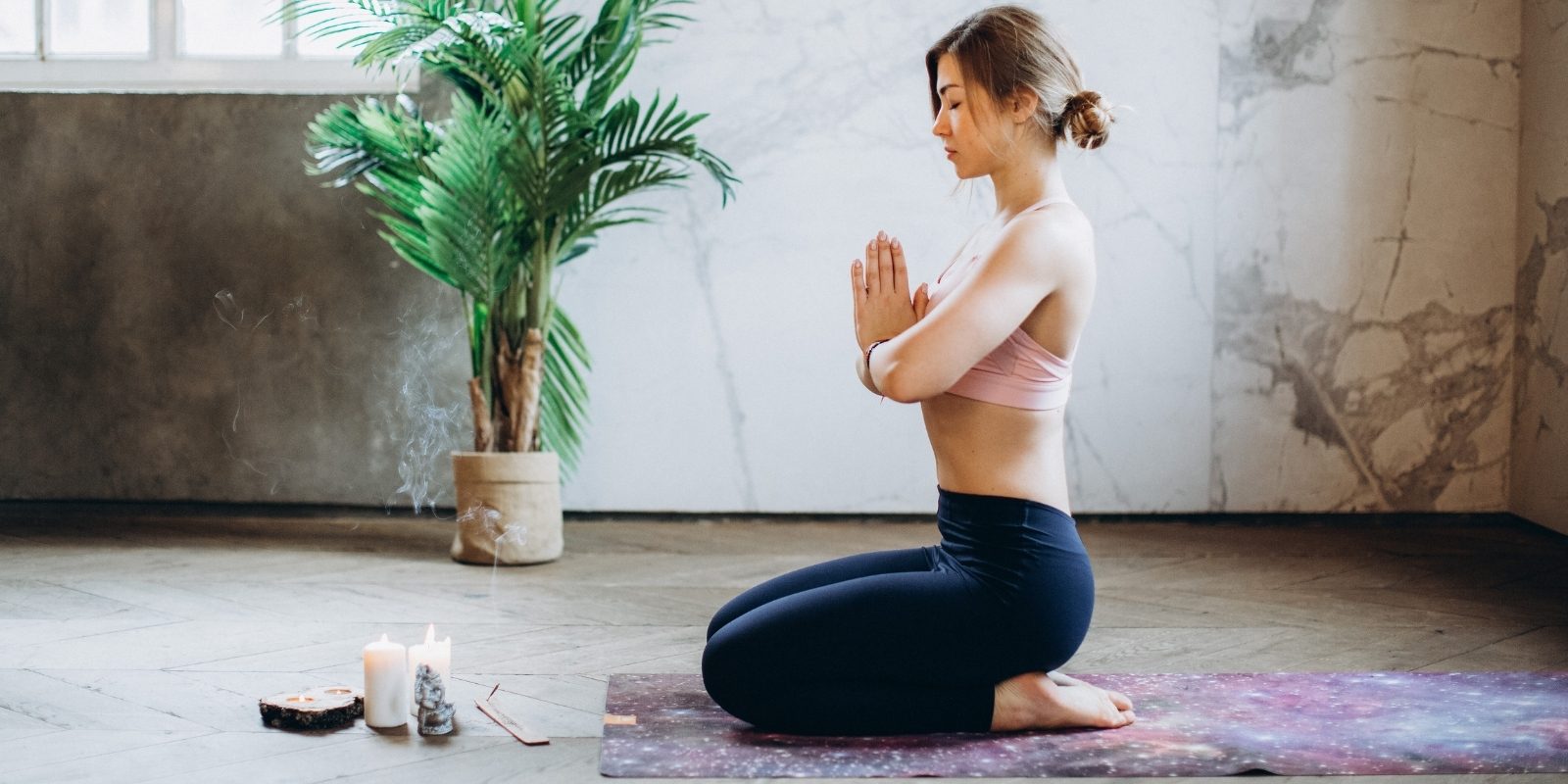
As a beginner, to start practicing Yoga it is recommended to first practice some of the most well-known and easy asanas. Each posture is different and complex, and each position has various benefits on the body, both externally and internally.
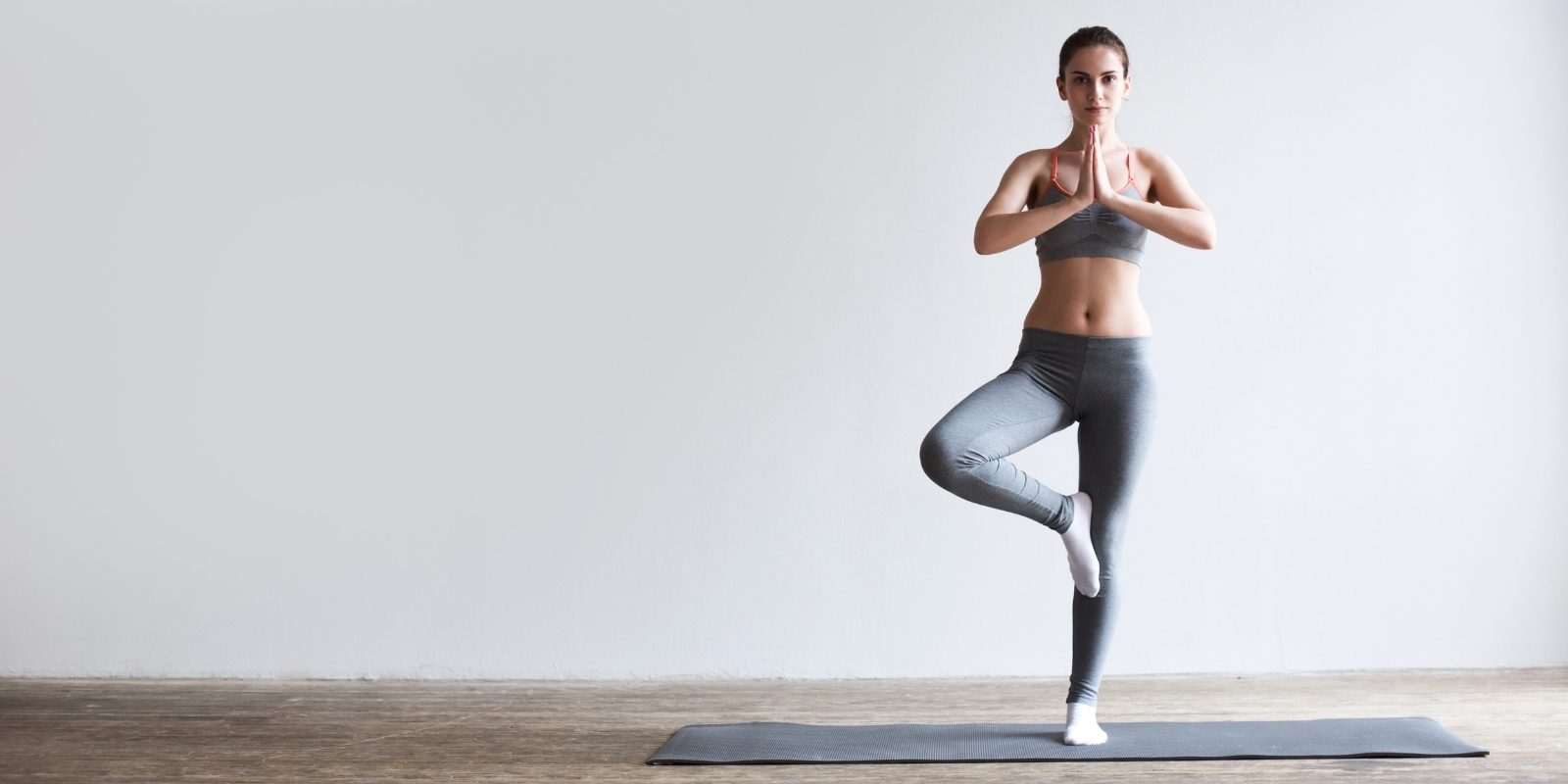
1.Tadasana or mountain posture – is one of the simplest and most complex asanas. In Yoga, all postures begin and end with Tadasana. This asana will make you aware of your body position and how your feet and soles should be placed to stand as straight as possible. It is very important to keep the soles flat, parallel and the weight of the body evenly distributed on both soles. This posture influences breathing, digestion, and even general condition.
2. Adho Mukha Svanasana or the Dogface down – is a fundamental asana in Yoga. This asana creates harmony between the upper and lower part of the body and opens the chest a lot.
3. Supta Matsyendrasana or Twisted Spine Posture – is an asana that involves twisting the torso and that relaxes the lumbar area very well. It also stimulates blood circulation in the abdominal organs, improving digestion and vitality.
4. Urdhva Mukha Svanasana or the Dogface up – it is also a fundamental position in Yoga very closely related to Adho Mukha Svanasana, and most of the time these 2 asanas are done together, followed by each other. This position helps a lot in relieving back pain, strengthening the abdominal muscles, and it improves the functionality of the cardiovascular system, liver, and kidneys.
5. Trikonasana or posture of the Triangle – involves the lateral stretching of the muscles of the trunk and spine, and the hips, legs, and shoulders become more flexible. This posture stimulates and improves blood circulation throughout the body, reduces blood pressure, and helps a lot in case of indigestion.

Yoga Benefits:
Yoga, like Pilates, has many benefits on the body but also on the mind.
Thus through the practice of Yoga, you will succeed:
– To stretch the muscles better, to eliminate the tension – in a word to become more flexible
– To release emotions, stress – to become more relaxed and comfortable with yourself
– To inhale and exhale correctly – to become more aware of breathing
– Free your mind from worries and problems and focus better, be more present
– Cures various chronic diseases such as hyper/hypo tension, chronic body pain, diabetes, depression, insomnia, etc.
– Contributes to the improvement of the immune system.
As you have already noticed, both Pilates and Yoga are very beneficial for the body. It depends on you what you want to choose and what you want from your body. Do you just want a great sport or do you want to explore your spiritual side as well? If you are not sure what you want, we recommend you try both.
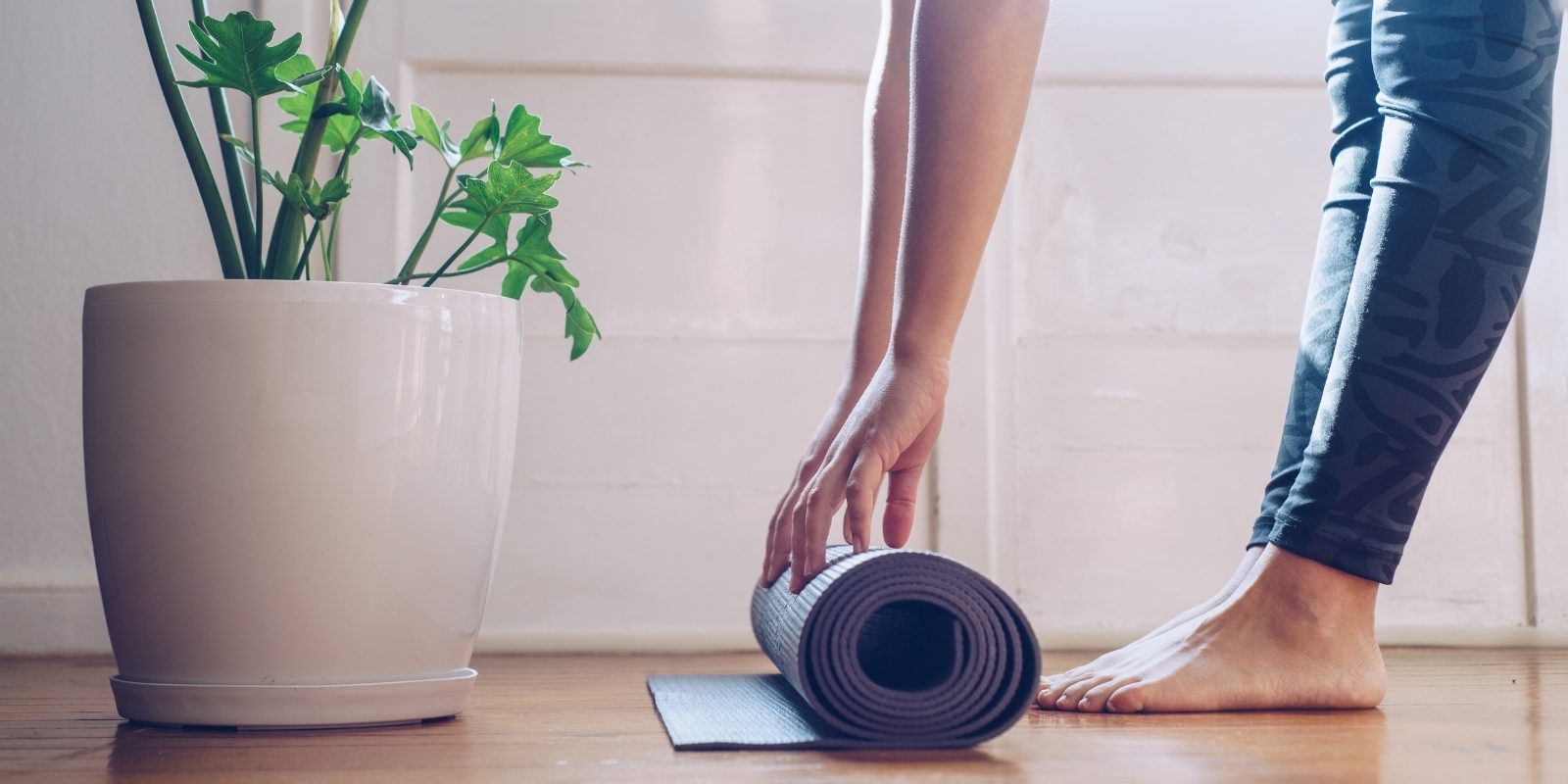
Yoga and Pilates Online with Montalive
Montalive is an Online Yoga and Pilates studio, where you can practice the 2 practices right from the comfort of your home. The monthly class schedule is flexible and includes combined Yoga and Pilates classes online, Live Stream, which can be practiced alternately 2 times a week.
What is even more interesting is that the exercises practiced during the classes, offered through Montalive studio online, include variations so that even beginners or even pregnant women can practice the exercises or asanas, and at the end of the class all participants can enjoy the movement.
Montalive instructors and founders are well trained, with over 20 years of action sports experience, and who know how to make the class as attractive as possible even online

The founders of Montalive
Yoga Instructor – Hatha Yoga – Certified 200Hr Yoga Alliance, Rishikesh India.
Mat Pilates and Pilates Reformer: Certified– Move On and MasterClass România.
Mindfulness Coach – Certified 100Hours training Course, Goa India
The person who writes the articles published on Mindfulness Blog de pe site-ul www.montalive.com.
He is the person who brings joy and color to the Montalive site, through the articles published on the site
She also brings motivation through the column “Thoughts of the week” on the Montalive blog
And last but not least, with its help, we discover how to calm our minds and thoughts through the Meditation Podcasts, offered for free on the Montalive website.
We hope that we have managed to convince you to start moving at least a little, or at least we have made you curious to try a class either Yoga or Pilates online, and then you will decide which it suits you best.
MONTALIVE CLASS SCHEDULE –>>

